theories on the man-eating tiger
Depleted of land and resources, the tigers may be read as taking back what they have lost to human possession — food and space. They may be reacting to the same brackish and turbulent waters that make human homes and lives in the Sundarbans constantly in flux. They may be responding to centuries of learned behaviors.
“I’m not sure Dokkhin Rai is the actual villain of the story. Yes, he does aggravate the people who came into his territory, but also he’s not incorrect in saying that they were trying to steal all of his natural resources. So I think Dokkhin Rai, in more of a contemporary political lens, Dokkhin Rai is probably a lot of the leadership of the communities that have faced this sort of economic deprivation, exploitation, for years and years and had to build these defense mechanisms that well yes seemingly hyper aggressive in the context of the fact that this has been a long waged battle that they’re losing ostensibly, those measures are not necessarily disproportionate. So I would say Dhona and capitalism is really the villain here, no surprise to anyone who knows me, and Dokkhin rai is probably the sort of intermediary forces, which in the process of trying to stem this sort of systemic oppression and also harming the victims of that same cycle.” *** i think this interpretation pulls things in the direction of thinking about dokkhin rai as conservation efforts and not just the forest itself
biodiversity in the sundarbans
“The mangroves are home to 334 plant species, 49 mammalian species, 59 reptilian species, 210 white fish species, 24 shrimp species, 14 crab species, 43 mollusks species, and around 260 bird species.”
Life in the Sundarbans Mangrove Forest, Connecticut College

bengal tiger
As an apex predator, the Bengal tiger enables the forest itself to exist in its vastness by maintaining the population of animals that eat the mangroves themselves. In doing so, they mitigate flooding, maintain habitats, and protect species. Poaching and habitat destruction have caused a 95% decrease in the tiger’s population, though conservation efforts have begun to rehabilitate that loss.
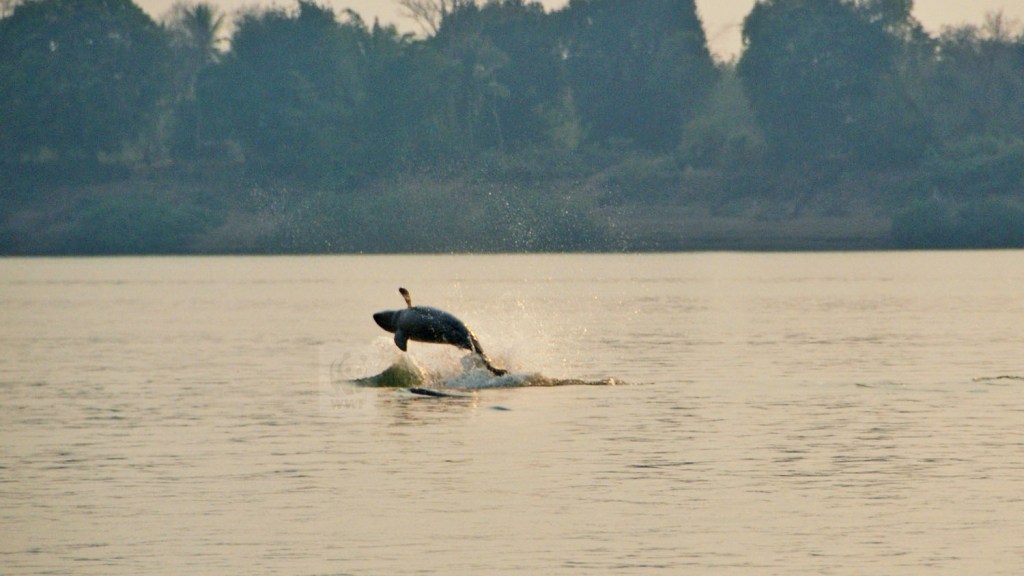
irawaddy dolphin
Around 6,000 irrawaddy dolphins, along with about 2,000 ganga dolphins, remain in the Sundarbans — both species are on the IUCN red list. They are threatened by the illegal use of gillnets for fishing and industrial and agricultural pollution.

estuarine crocodile
The largest and heaviest reptile alive, the saltwater crocodile is powerful and dangerous. The cautious idiom “tiger on land, crocodile in water” is not hyperbole; these crocodiles are second to the tiger in incidents of causing human death. Overshadowed by the tiger, little is done to protect this crocodile; an estimated less than 200 mature adults remain. These crocodiles are critical to the aquatic ecosystem of the Sundarbans and dying rapidly.
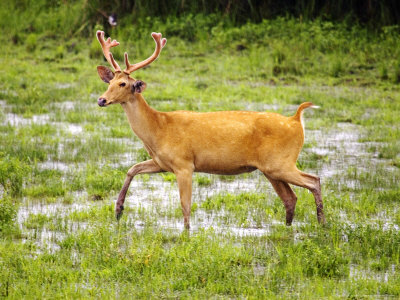
swamp deer – extinct
Also known as barasingha, these deer are loyal to their terrain and live in herds. They are fragmented across Asia due to habitat loss and poaching, and extinct in the Sundarbans.
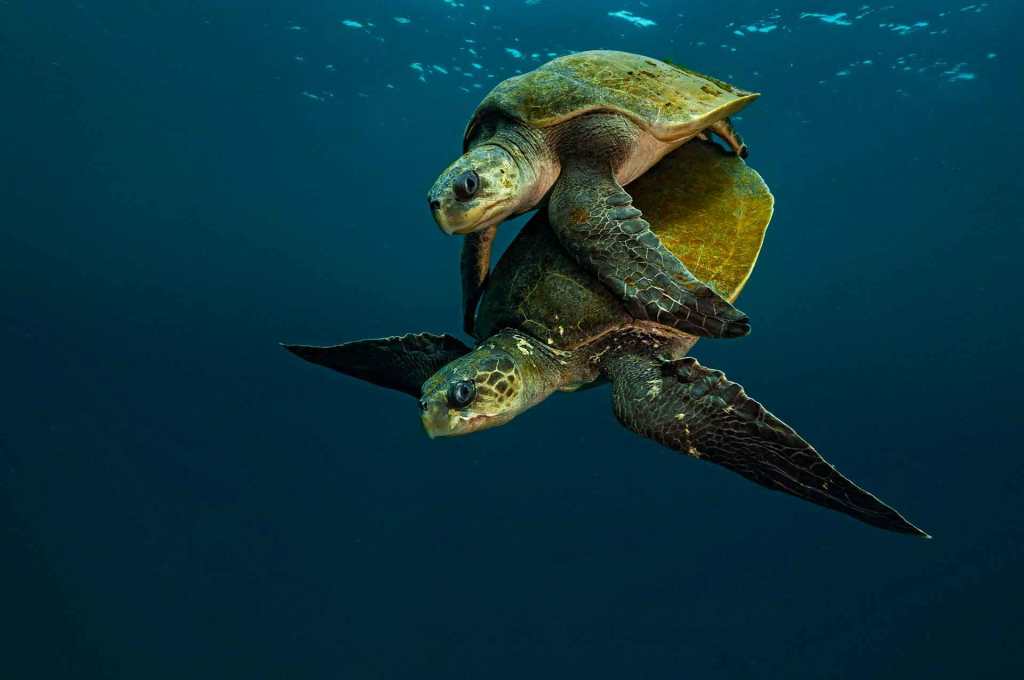
olive ridley sea turtle – critically endangered
Threatened by habitat loss, predation, eggs failing to hatch, and fishing nets, the olive ridley sea turtle is now critically endangered.
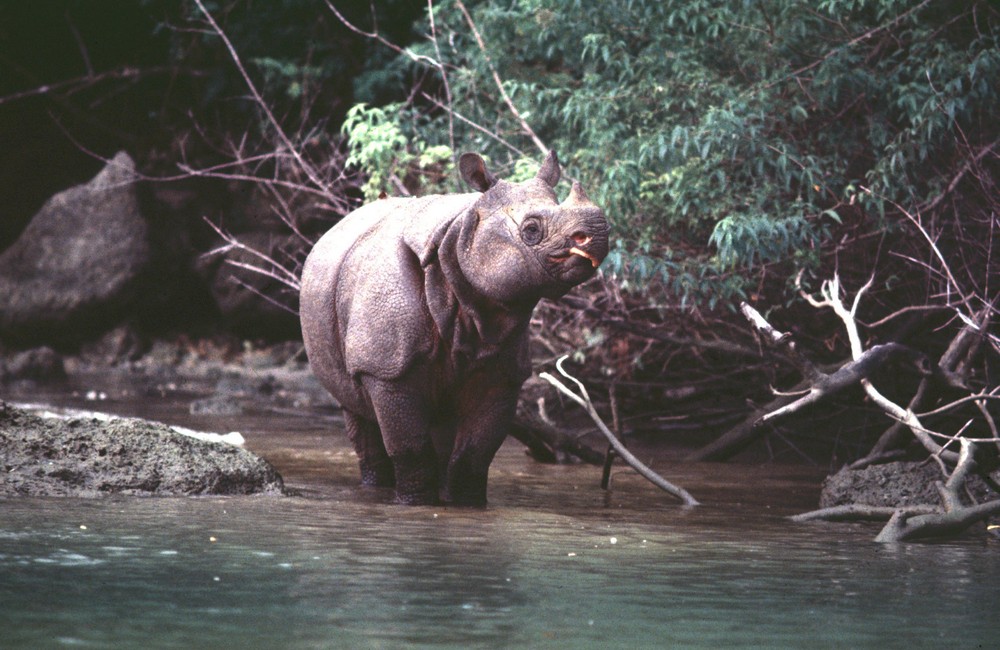
javan rhinoceros – extinct
Rhinos do not typically make their homes in estuaries, but there is a definitive and strong historical presence of the javan rhino in the Sundarbans. Threatened by poaching and habitat loss, there are none left in the region.
“Deforestation and salinification destroy sources of both food and shelter for plants and animals (deforestation also literally wiping out plant species)…
Pollution from tourism has increased exponentially as the Sundarbans become a more popular site for environmentally-curious vacationers.
Noise pollution and light pollution from cargo ships that pass through the Sundarbans rivers daily disrupt animal routines and frighten them into hiding.
Oil spills and bilge water disposal are contaminating the water that marine life rely on for survival.
The prawn industry is encouraging a monoculture in the Sundarbans, only cultivating the one species of tiger prawn that is desirable in the global market. The process in which prawn seeds are collected, using giant nets that are dragged either by hand or by boat, results in a huge amount of by-catch caught and left for dead… Dolphins have been known to get caught in these nets, and, without destroying the entire net, there is virtually no way to untangle the animal before it suffocates…
Honey collectors that go into the forest use fire to smoke the bees out of their hives and will often take the entire hive off of its anchor to collect the honey, destroying the bee’s homes and potentially losing control of the fire and burning vegetation that they don’t intend to.
Islanders are forced to extract more resources than ever before to keep up with the increasing demand for Sundarbans products, such as prawns and honey.
Illegal tiger poaching has been an issue in the Sundarbans since British Colonization, as tiger skins sell for extremely high amounts in black markets.
With trends continuing the way they are now, the Sundarbans will lose its unique and beautiful wealth of biodiversity before humans have time to catch up. “
Life in the Sundarbans Mangrove Forest, Connecticut College
Create anything
Welcome to a world of limitless possibilities, where the journey is as exhilarating as the destination, and where every moment is an opportunity to make your mark on the canvas of existence. The only limit is the extent of your imagination.
 RETOLD